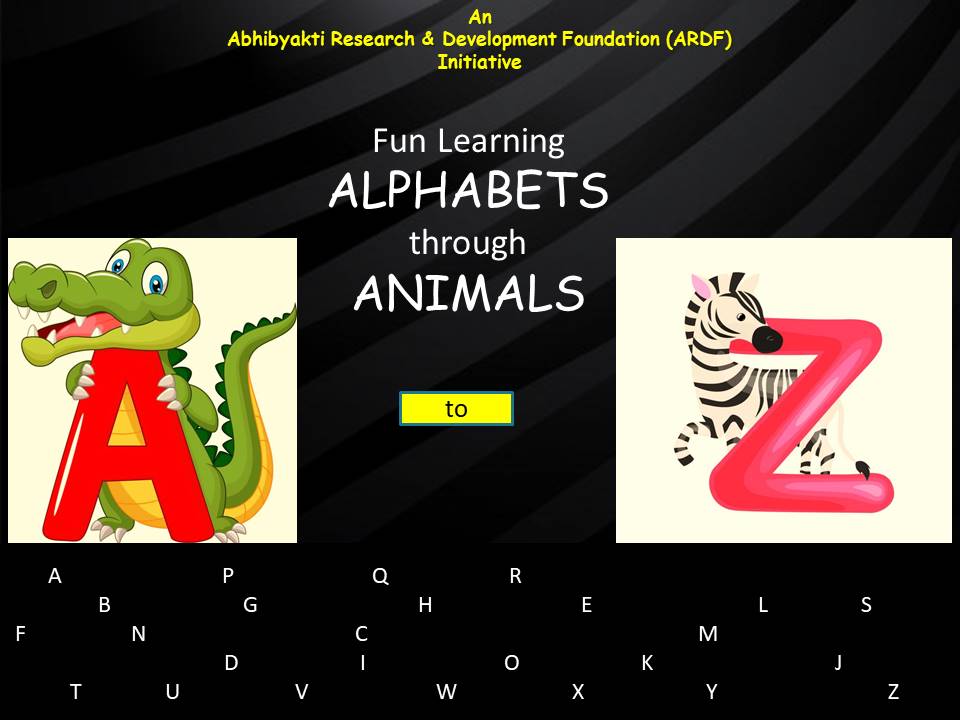
This book is an initiative of Abhibyakti Research & Development Foundation (ARDF) to make the learning of alphabets a fun activity through animals. The content of the book would meet the needs of parents and teachers for better cognitive development of a child and comprehension of the subject matter.
We have designed this book to make our young ones learn the Colours more effectively in less time through rhymes and pictures. The book can be a perfect introductory tool for pre-school children to learn English words, colours and their use. The book can contribute to increasing focus and concentration of the child while having fun learning.
The book has been designed to make our younger ones learn about different types of animals and their habitat more effectively through pictures and small sentences. The book can be a perfect introductory tool for pre-school children to learn reading and writing English words, making sentences, and enhancing their vocabulary. The book can contribute to increasing focus and concentration of the child while having fun learning.
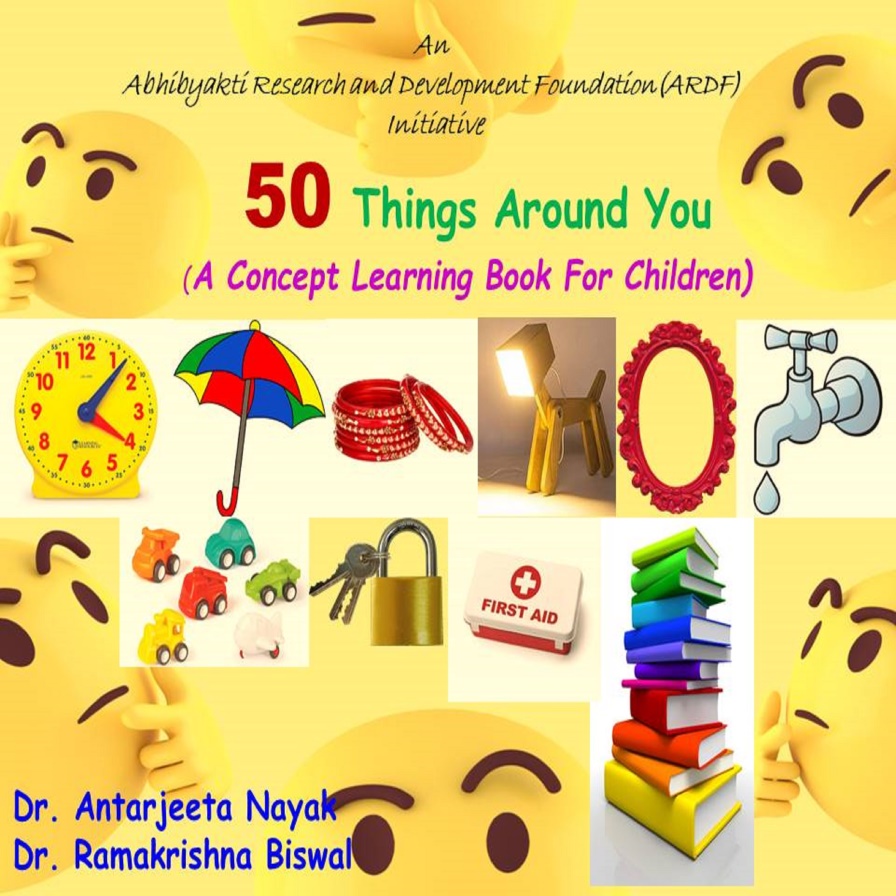
The book is designed to introduce the basic concepts to children that they find in their immediate surrounding. Each concept is associated with a picture that would help in better learning and retention. Further, basic communication skills like Listening, Speaking, Reading and Writing of children can be strengthened as they would be using these concepts in their daily communication.
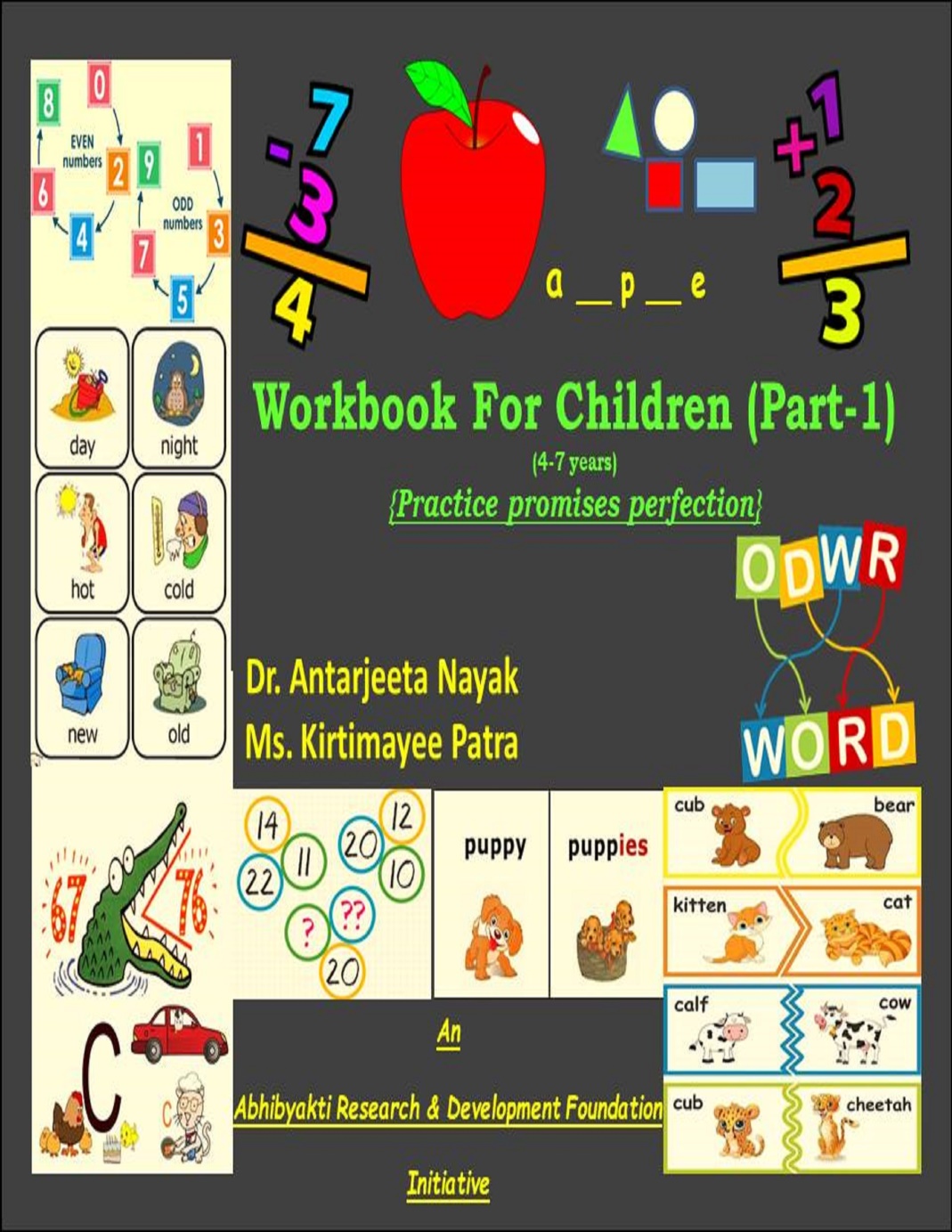
This workbook is designed keeping in mind the needs and interests of the kindergartener for the development of their sensory-motor and fine-motor skills in a fun way. This book can be a priceless engagement for children to a smooth world of future learning endeavors. Away from the digital world, this workbook would be highly engaging and entertaining for the children where they can play with letters, numbers, colours, shapes, pictures, and solving the puzzles.
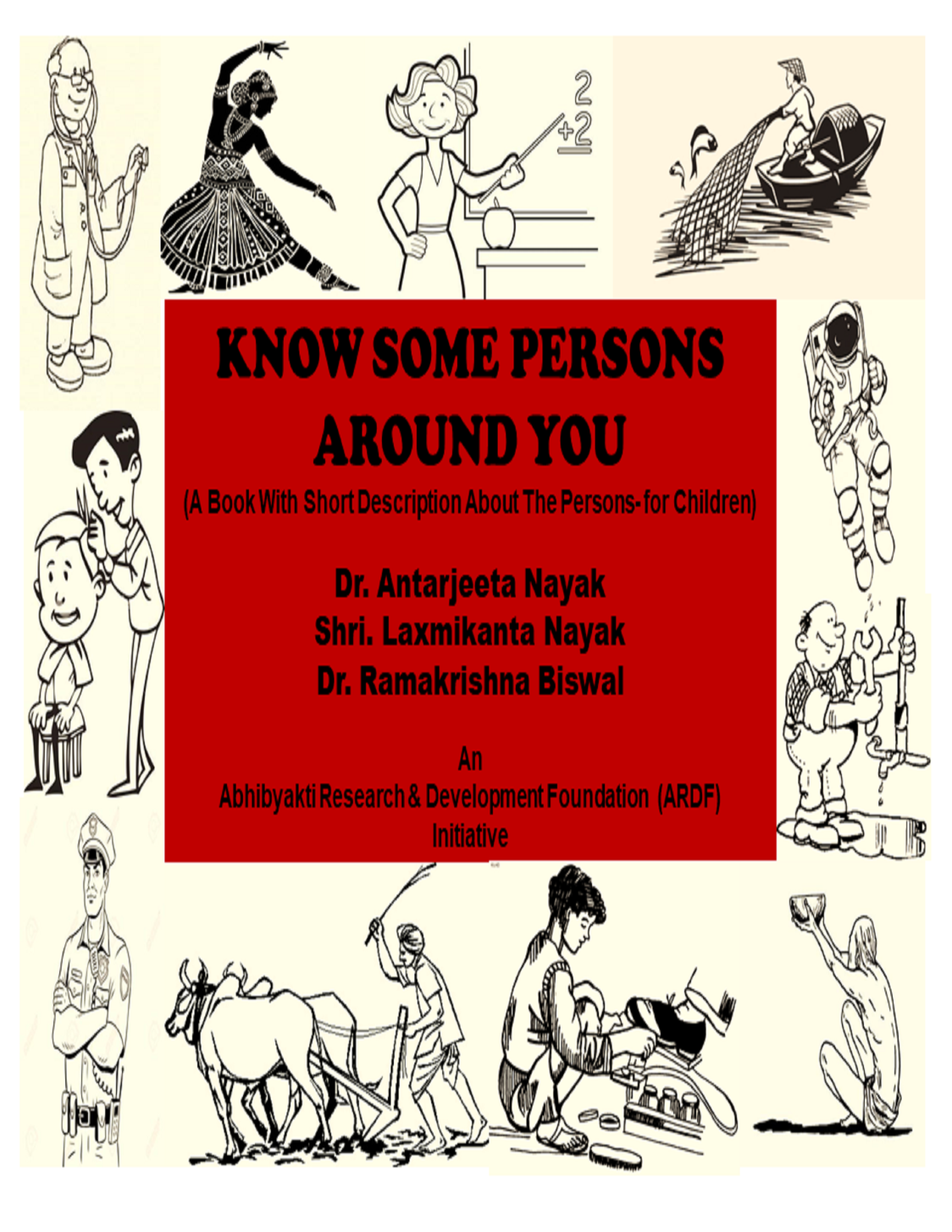
We live in a society and depend on each other for our daily needs. Knowing about persons around us would help children understand the value of other human beings in their lives. The book aims at introducing children briefly about some persons who play an important role in our lives as well as in the society. Further, children would learn some new concepts and improve their vocabulary easily through these brief descriptions of persons around them.
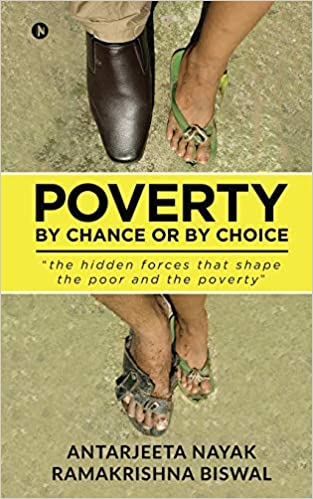
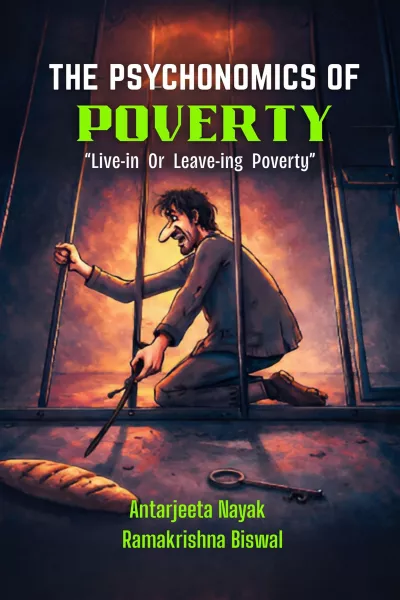
“Why poor are poor? Who can cure poverty; ‘God’ or the ‘Government’?”‘NO POVERTY’ tops the list of Sustainable Development Goals 2030. Several government and non-government organizations are working towards ending poverty for a long time. But, much of their work and several anti-poverty policies have failed over the years because of a skewed understanding of poverty. Several theories and approaches, social scientists, and laureates often miss capturing the intrinsic cause of poverty. Ending poverty in all its forms requires an understanding of poverty in all its forms, including the nucleus of it.Careful attention has to be shown towards the pieces of evidence for making thoughtful assessments on what really impacts the poor and their poverty. The authors delve deepinto the human psyche to understand why the poor are poor through intriguing case-studies. Poverty: By Chance or By Choice is a book that can widen the horizons for a better understanding of the poor and the poverty.
The book can build the writing, reading, and critical thinking abilities of the child. With its incremental approach, the book can address a range of writing levels and abilities. Exercises integrated with each story promote critical thinking and facilitates learning, and increase knowledge retention. The book is a complete package of knowledge and fun, where children can learn with fun and grow.
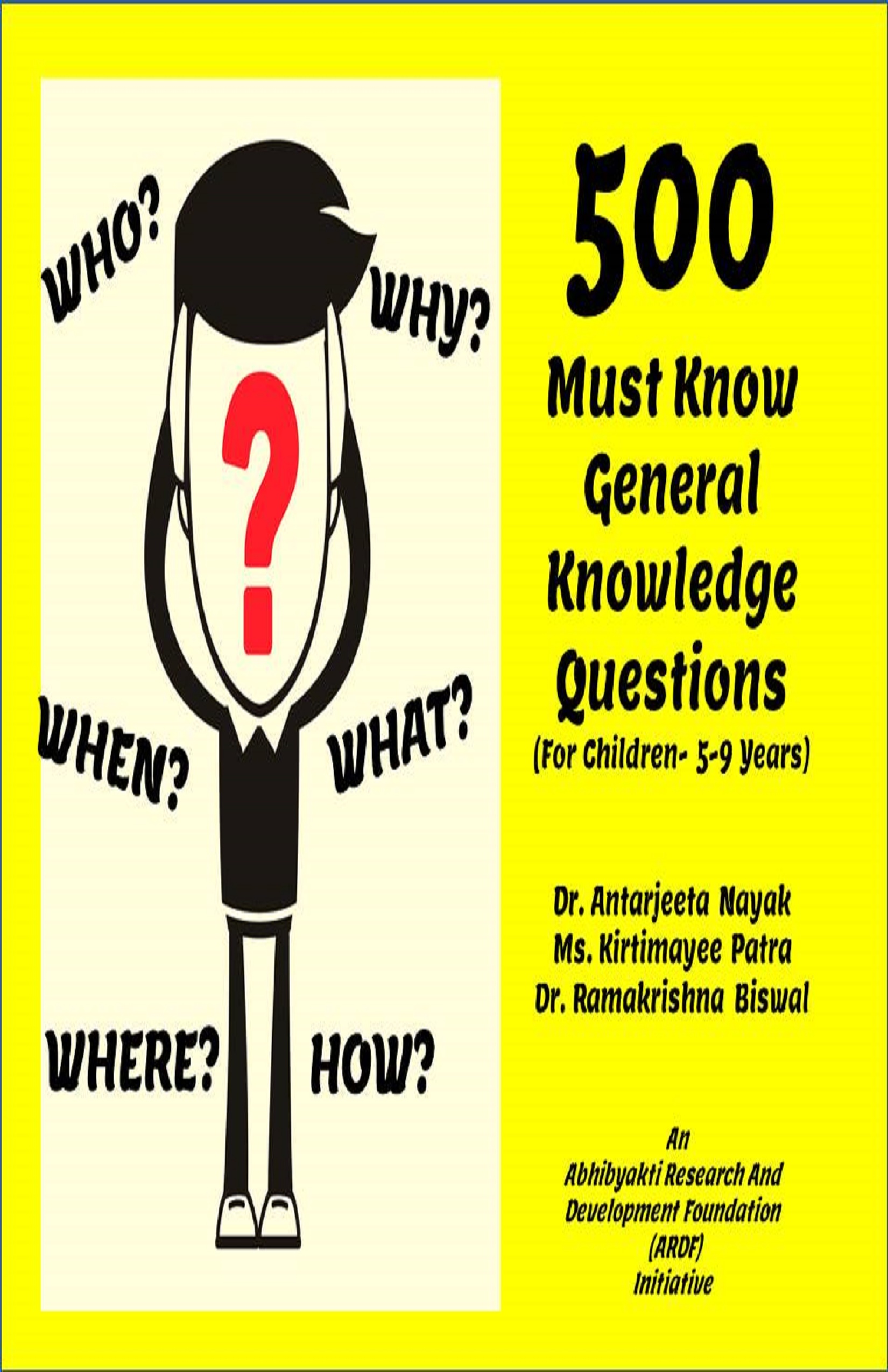
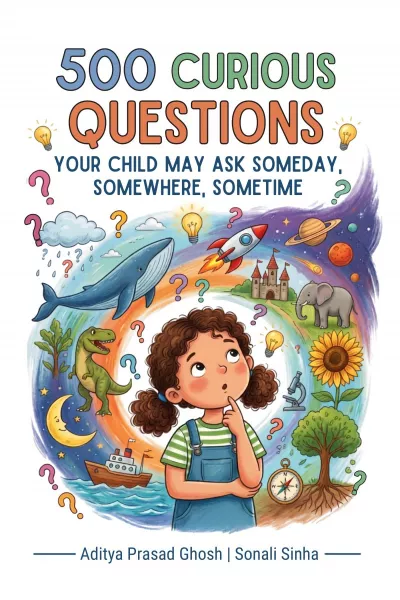
The children are curious by nature. 'Why the leaves are green,' 'How many days are there in a year,' 'Which is the fastest animal on earth,' and the like questions that children ask as they grow. 'Who,' 'Why,' 'What,' 'Where,' 'Which,' and 'How' ignites and stimulates the little minds. Some facts like this encourage a child's curiosity to explore more and more. The questions and answers given in this book can provide the children with the nuggets of information that could keep them engaged. This book contains a variety of information and facts designed for the children to enhance their general knowledge.
"ପରୀକ୍ଷାରେ ପରୀକ୍ଷାର ମୂଲ୍ୟାଙ୍କନ : ଭାରତୀୟ ଶିକ୍ଷା ପଦ୍ଧତି " ଲେଖିକାଙ୍କର ଓଡ଼ିଆ ଭାଷାରେ ଦ୍ୱିତୀୟ ପୁସ୍ତକ | ଆମର ପ୍ରଚଳିତ ଶିକ୍ଷା ପଦ୍ଧତି କିପରି ଯନ୍ତ୍ରମାନବ ତିଆରି କରିବାରେ ବ୍ୟସ୍ତ ହୋଇ ମାନବସୁଲଭ ଗୁଣ କୁ ଭୁଲି ନିଜକୁ ସଂକୁଚିତ କରିଚାଲିଛି, ସେ ସମ୍ପର୍କରେ ଏହି ବହିରେ ଦଶଟି ମର୍ମସ୍ପର୍ଶୀ ପ୍ରବନ୍ଧ ରହିଛି I ପାଠକ ମାନେ ବିଶେଷ କରି ଶିକ୍ଷା ସହିତ ଜଡିତ ବା କୌଣସି ବ୍ୟକ୍ତିବିଶେଷ କିପରି ଶିକ୍ଷାର ବ୍ୟାପକତାକୁ ହୃଦୟଙ୍ଗମ କରିପାରିବେ, ଏହି ଲକ୍ଷ ନେଇ ଲେଖିକା ଆଶାବାଦୀ |
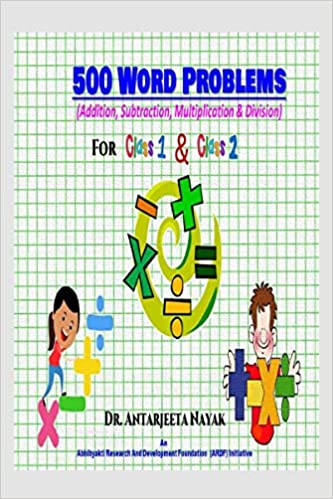
This book includes 500 Word Problems that involve the operation of addition to subtraction, multiplication and division, and even multiple operations simultaneously meant for the beginners, to ensure math flexibility, comprehensive skill, critical thinking, creativity and application of skills. The book begins with the most basic types of word problems and progresses through to the advanced ones. Solving these word problems can teach the child how to focus first on the words and their meaning in the problem, and then on the numbers and breaking down the problem into smaller segments to help them work through. The word problems in this book can keep the child’s mind elastic and nimble and improve their understanding, their memory, and their creativity.
"ପରୀକ୍ଷାର ପରୀକ୍ଷା:ଶିକ୍ଷାଦାନ, ପରୀକ୍ଷା ଓ ମୂଲ୍ୟାୟନ ପଦ୍ଧତି", ଆମର ପ୍ରଚଳିତ ଶିକ୍ଷା ପଦ୍ଧତି ଓ ଶିକ୍ଷା ବ୍ୟବସ୍ଥା ଉପରେ ଆଧାରିତ । ଆମ ଶିକ୍ଷାଦାନ, ଶିକ୍ଷାବ୍ୟବସ୍ଥା, ପରୀକ୍ଷା ପଦ୍ଧତି ଓ ପରୀକ୍ଷାରେ ମୂଲ୍ୟାୟନ ଶୈଳୀ କିପରି ଯନ୍ତ୍ରମାନବ ତିଆରି କରିବାରେ ବ୍ୟସ୍ତ ହୋଇ, ମାନବସୁଲଭ ଗୁଣକୁ ଭୁଲି ନିଜକୁ ସଂକୁଚିତ କରିଚାଲିଛି, ସେ ସମ୍ପର୍କରେ ଏହି ବହିରେ ଦଶଟି ମର୍ମସ୍ପର୍ଶୀ ପ୍ରବନ୍ଧ ରହିଛି । ପାଠକମାନେ, ବିଶେଷ କରି ଶିକ୍ଷା ସହିତ ଜଡିତ ଯେକୌଣସି ବ୍ୟକ୍ତିବିଶେଷ ତଥା ଅଭିଭାବକ ମାନେ କିପରି ଶିକ୍ଷାର ବ୍ୟାପକତାକୁ ହୃଦୟଙ୍ଗମ କରିପାରିବେ, ଏହି ଲକ୍ଷ୍ୟ ନେଇ ଲେଖୁ ଆଶାବାଦୀ ।
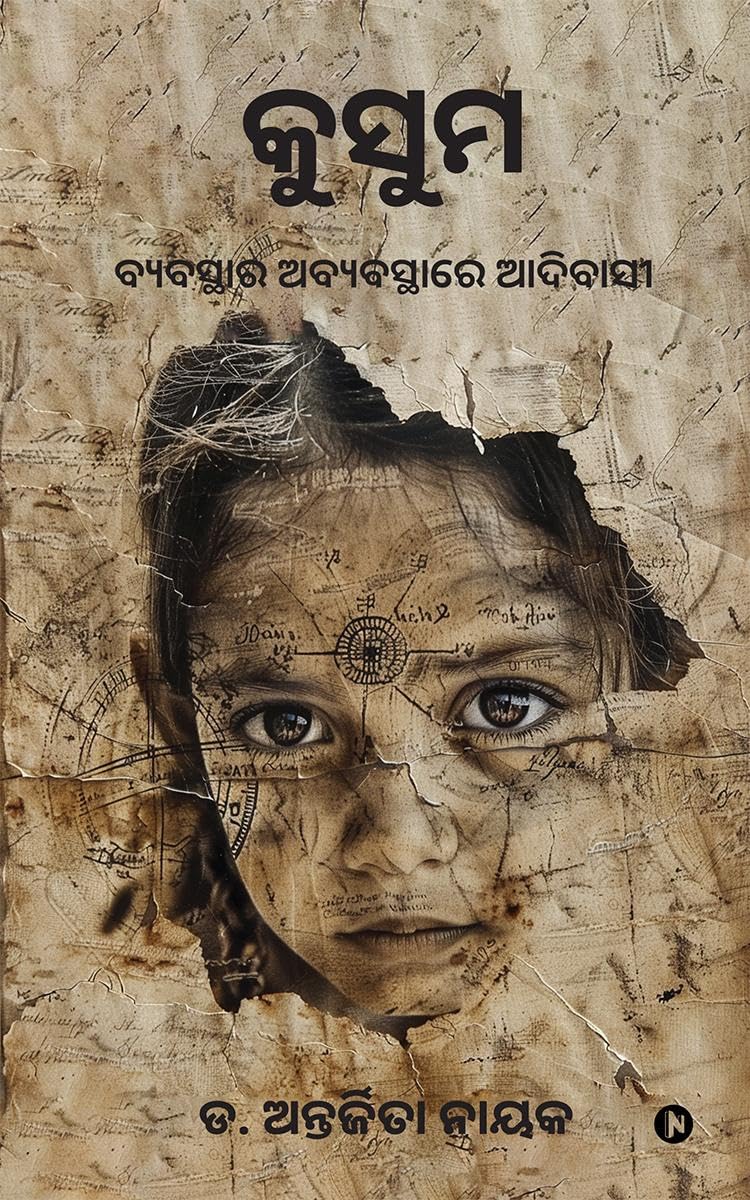
The book goes beyond some mere words or compiled pages, offering a compassionate portrayal of the hardships endured by a tribal family. It is a poignant mirror reflecting the raw realities of a tribal family. The book narrates the heartwarming tale of a poor tribal father and mother navigating the harsh inequities imposed by the system meant to uplift them. The story lays bare the stark truth that life for poor tribals is fraught with challenges. The book raises profound questions like, ‘Why do tribals face barriers to higher education?' 'Why, despite government aid, do tribals lag behind?' 'Why do so many tribal children drop out of school?' and scrutinizes how the tribals encounter obstacles in asserting their own rights and in availing the benefits of policies and schemes meant for their upliftment and development. While some of these questions, explored and pondered within the pages of the book, others serve as a catalyst for introspection and deeper inquiry."
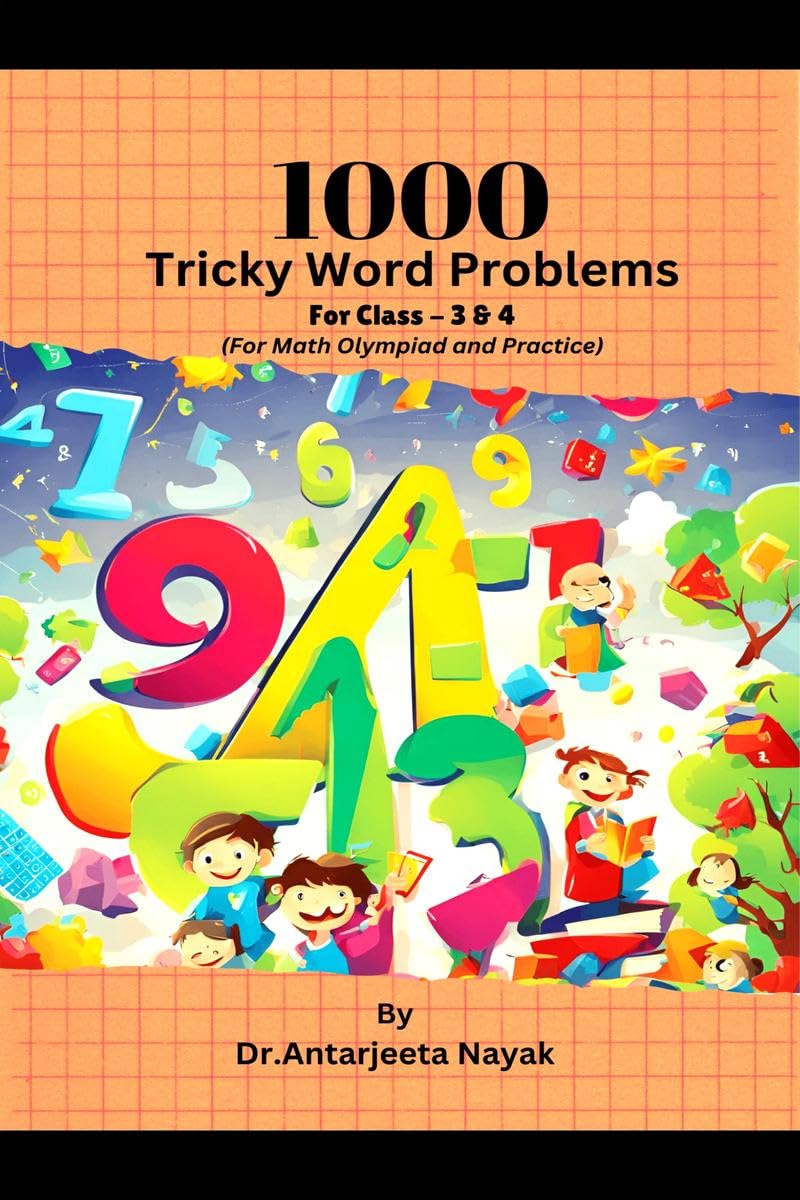
In the vibrant world of mathematics, word problems are more than just exercises—they are bridges connecting mathematical concepts to real-world experiences. This collection of 1000 challenging and engaging word problems has been carefully curated to inspire young minds and build critical skills that extend beyond the classroom. Each problem is a puzzle waiting to be solved, encouraging children to apply logic, reasoning, and creativity to a variety of practical scenarios. By engaging with these word problems, children will not only develop confidence in handling diverse mathematical scenarios but also experience the joy of discovery and mastery in math. This journey into real-life applications, clever puzzles, critical thinking and complex reasoning problems will prepare children for advanced problem-solving, empowering them with skills that last a lifetime.
Dive into this adventure and watch as the world of math comes alive, revealing its power, beauty, and endless possibilities!
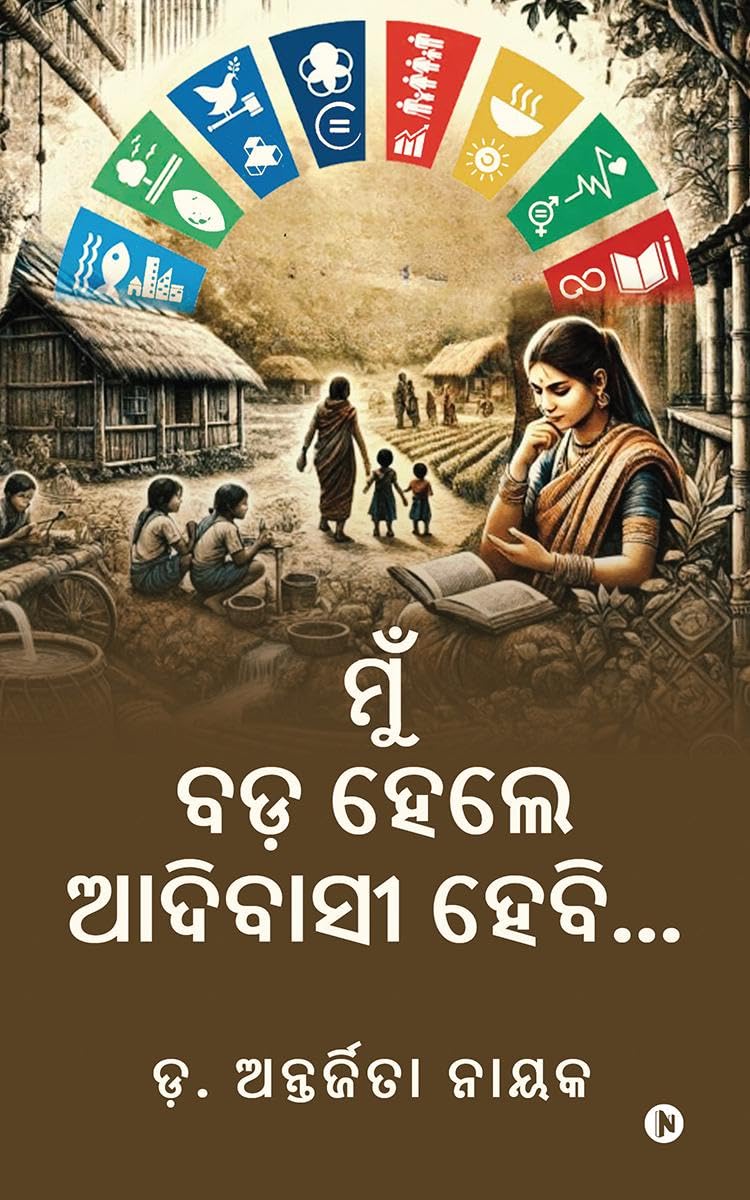
The book "ମୁଁ ବଡ଼ ହେଲେ ଆଦିବାସୀ ହେବି…" (“Mun Bada Hele Adivasi Hebi”) serves as a powerful medium to awaken the world to the invaluable contributions of Adivasis―highlighting their rich heritage, enduring identity, and profound role in shaping a sustainable future. Too often labelled as "backward," these communities are, the custodians of holistic development, demonstrating an equilibrium between nature and humanity that modernity struggles to achieve.
With rich traditions, scientific acumen, and profound ecological knowledge, Adivasis emerge as Earth’s true Green Ambassadors. Far from being relics of the past, they stand as visionaries of the future, embodying a synergy between progress and preservation. Each chapter of the book dismantles misconceptions, illustrating that Adivasi societies are not primitive but rather reservoirs of scientific thought, literature, economics, sociology, and sustainable technology. At its heart, the book calls for the empowerment of Adivasis to thrive on their own terms. It advocates for the preservation of their languages, traditions, and ways of life, rejecting the imposition of external models of development that threaten their unique identity. The book urges a redefinition of development―one that respects indigenous wisdom and embraces 'Tribalisation' as a model for sustainability.
The book "ମୁଁ ବଡ଼ ହେଲେ ଆଦିବାସୀ ହେବି…" is not just a book―it is a call to action, a journey into the heart of Adivasi knowledge and an illuminate of hope for a greener and more balanced world. The book is imperative, offering a transformative perspective on inclusivity, sustainability, and the true essence of development.
Dive into this adventure and watch as the world of math comes alive, revealing its power, beauty, and endless possibilities!
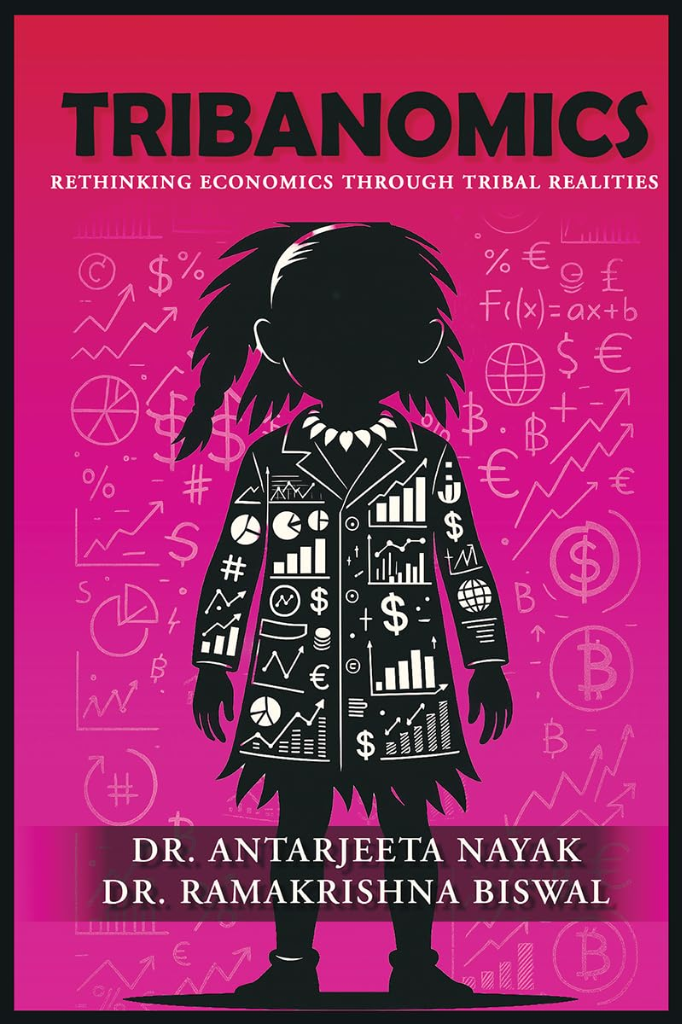
"TribaNomics: Rethinking Economics Through Tribal Realities," is the first book of its kind to place tribal realities at the center of economic thought, drawing a vital distinction between the tribal economy and tribal economics. While there exists a wide body of work on tribal livelihoods, subsistence systems, and marginalization, no book until now has sought to correlate established economic theories, principles, and models with the realities of tribal communities. At a time when mainstream economics often privileges growth over equity, and profit over people, this book turns its gaze towards communities who remind us that economies can be built on principles of reciprocity, collective stewardship, and harmony with nature. The book explores how tribal practices can expand, challenge, and enrich the core principles of economics. As the first comprehensive text that systematically integrates economic theory with sustainable tribal development, the book is a pioneering contribution to development studies and a foundational text that can guide curricula, research, and policymaking. For the very first time, this book has brought together economic theory and tribal practice in an integrated, comparative, and forward-looking manner. It is not only a contribution to academic discourse but also a blueprint for reshaping sustainable tribal development policy in India and beyond.
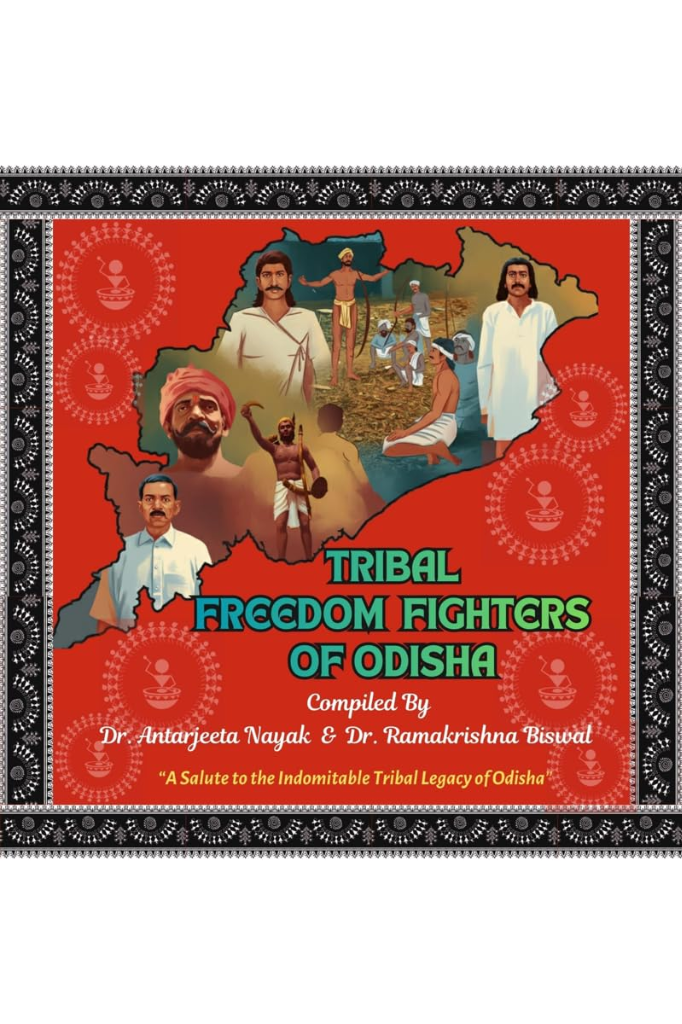
The coffee table book, “Tribal Freedom Fighters of Odisha,” is a tribute to those who rose not for medals or memorials but to protect the pulse of their community and motherland. The book is an attempt to retrieve those luminous fragments of history and reassemble them into the narrative they always deserved. Odisha’s tribal freedom fighters were never rebels by chance; they were guardians by destiny. Their revolts were born from a deep moral economy of land, dignity, and ancestral rights. Their courage travelled through hills and rivers, speaking a language of sovereignty rooted in soil. Their struggle was not episodic but civilizational; not reactive but visionary. To celebrate them is to honor the very grammar of India’s freedom movement, whose earliest chapters were drafted in tribal homelands.